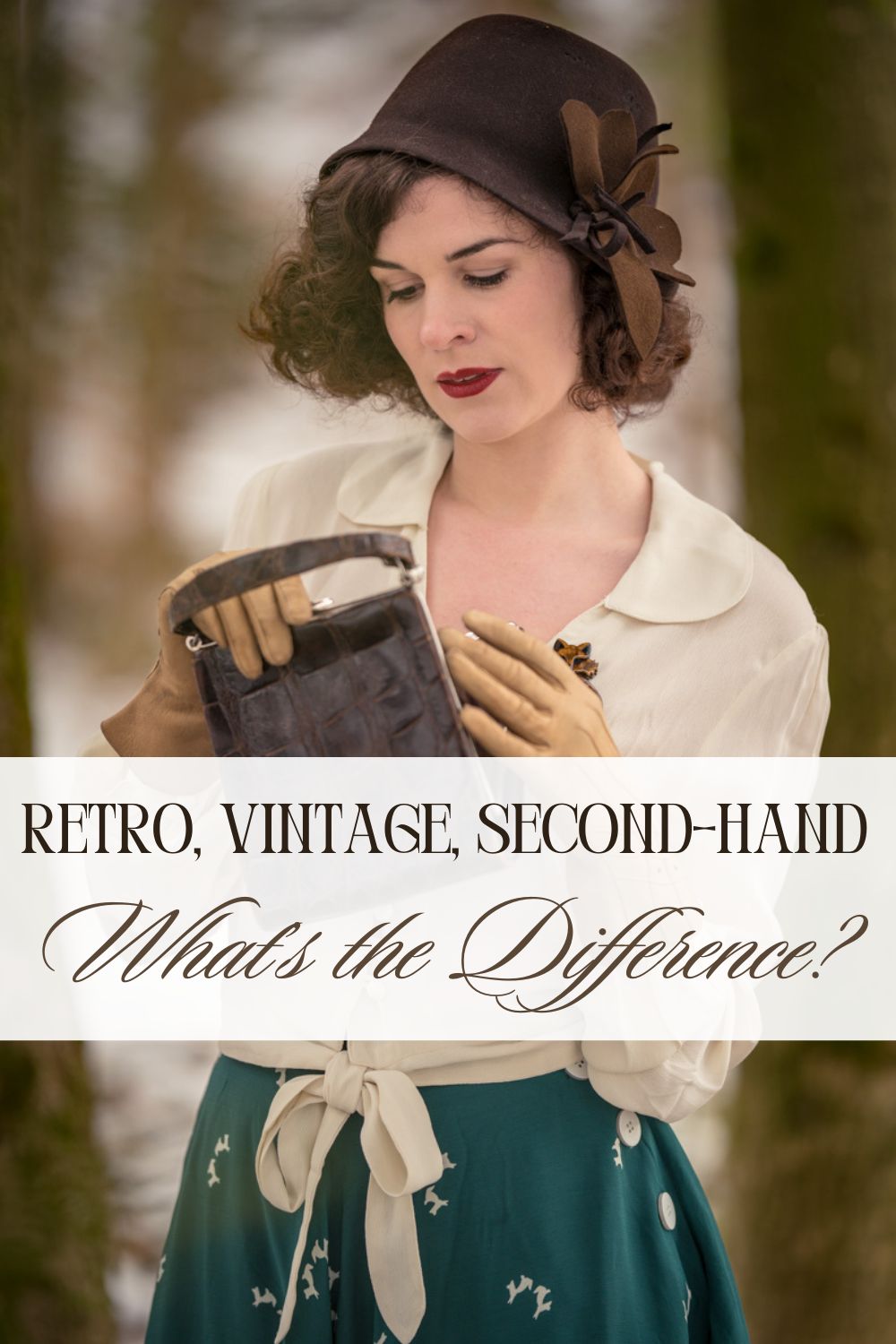
Retro, vintage, second-hand — these buzzwords are everywhere in the fashion world. But what do they actually mean? And how do you tell them apart?
In the era of claims like sustainable fashion, slow fashion, and more conscious consumption, understanding these terms matters more than ever.
In this guide, you’ll learn the real differences between retro, vintage, and second-hand clothing — plus why each concept has its own unique charm and place in a more sustainable wardrobe.
Retro vs. Vintage vs. Second-Hand: The Key Differences at a Glance
Retro
→ Newly produced clothing inspired by styles from past decades
Vintage
→ Original garments from a specific era (usually 20–100 years old)
Second-hand
→ Pre-owned clothing — regardless of age, brand, or style
In short: Retro fashion is newly made but inspired by past decades, vintage clothing consists of authentic pieces from earlier eras, and second-hand simply means previously owned garments.
What Is Retro Fashion?
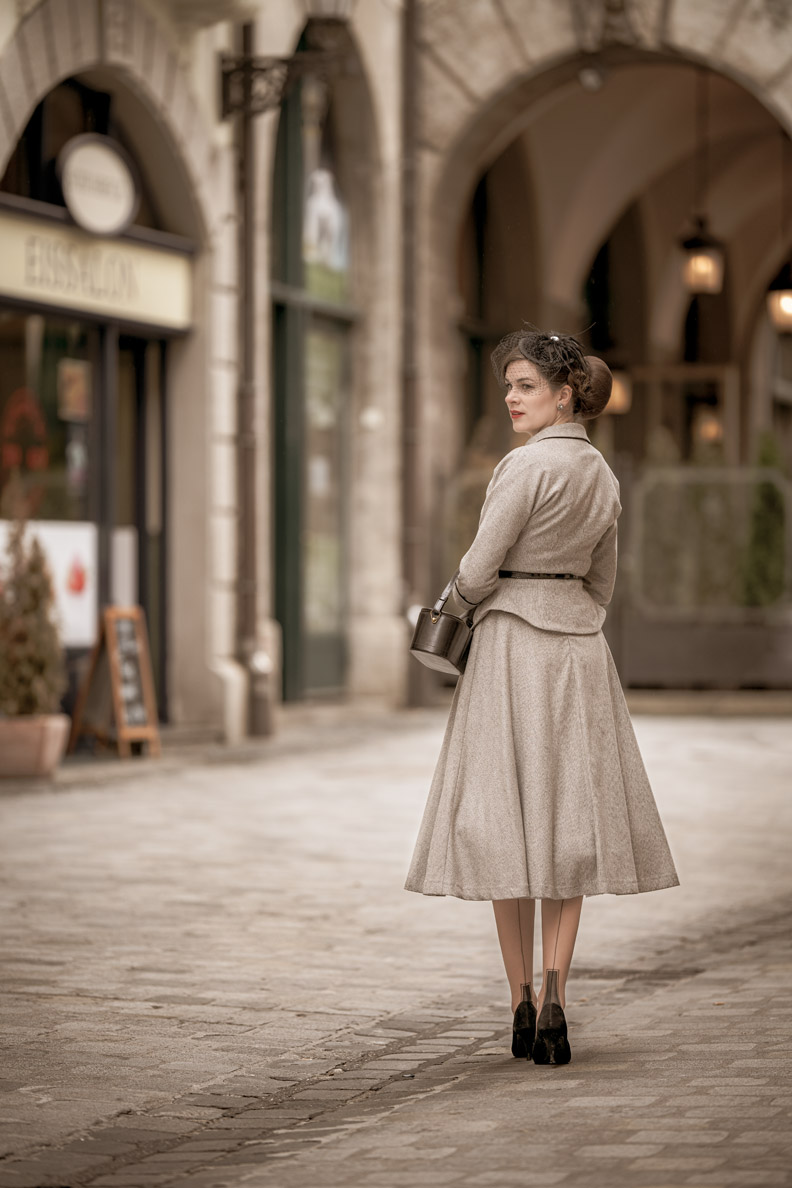
Imagine a perfectly tailored 1950s-style swing dress — newly manufactured in 2025. That’s retro, not vintage. Retro fashion refers to new clothing designed in the style of past decades, such as the 1950s, 60s, 70s, or 80s. It’s often called reproduction or vintage-inspired fashion.
Typical Features of Retro Clothing
- Newly produced garments with nostalgic design
- Modern fabrics and updated cuts
- Inspired by specific fashion eras
- Often more affordable and easier to wear daily than original vintage pieces
Example: A polka-dot swing dress made today in a classic 50s silhouette?
👉 Retro — but not vintage.
Who Is Retro Fashion Perfect For?
- Anyone who loves vintage aesthetics but wants modern comfort
- Beginners exploring vintage style
- Everyday outfits with a nostalgic twist
What Is Vintage Fashion — Really?
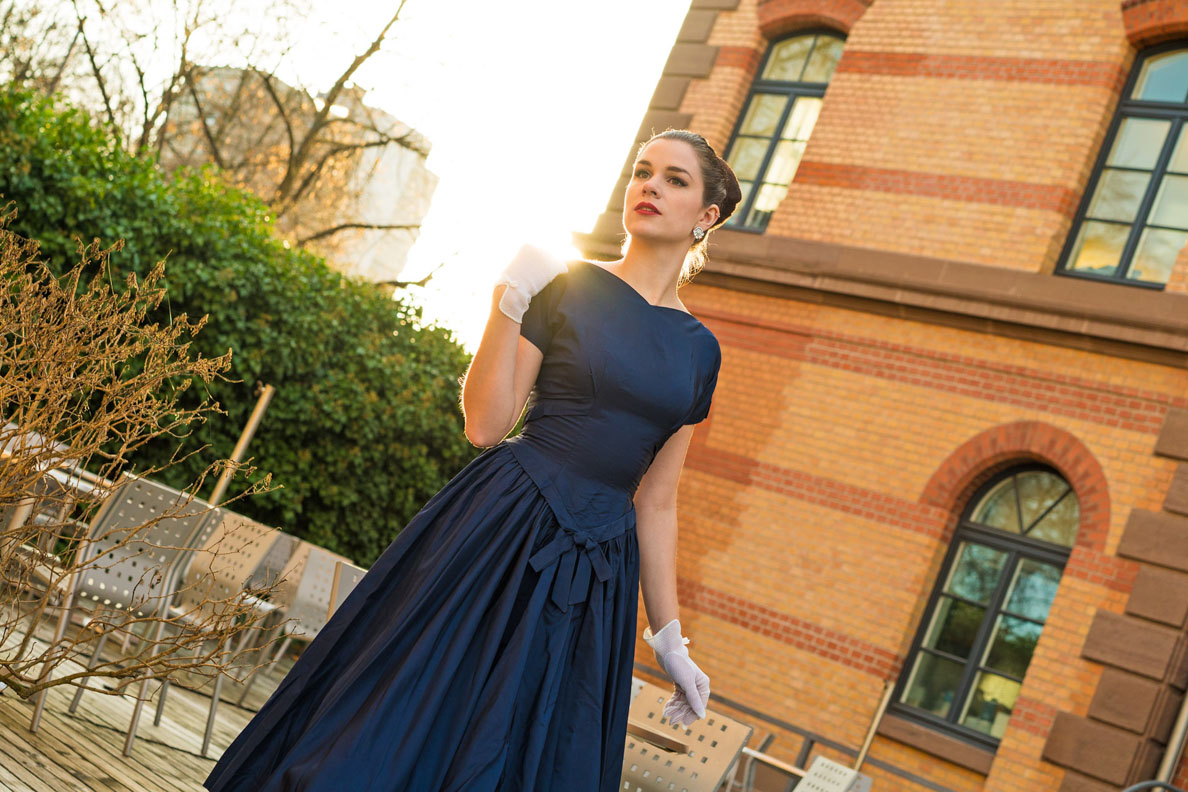
Vintage fashion consists of authentic garments from past decades, actually produced during the era they represent.
General Vintage Definition
- At least 20 years old
- Usually up to around 100 years old
(Anything older is typically considered antique fashion.)
Popular Vintage Eras
- 1920s: Art Deco elegance, flapper dresses
- 1950s: Petticoats, cinched waists, swing dresses
- 1970s: Flared pants, boho style
- 1990s: Minimalism, grunge aesthetics
Why Vintage Clothing Is So Special
- Unique, one-of-a-kind pieces with history
- Often high-quality craftsmanship and materials
- Sustainable — no new production required
- A strong expression of individuality
Vintage isn’t just clothing — it’s fashion with soul and a lifestyle. And that’s exactly why it remains so sought after.
Second-Hand Fashion: More Than Just “Used”

Second-hand simply means:
👉 A garment has had at least one previous owner.
Age, decade, and style don’t matter.
A Zara dress from 2022 bought on a resale platform
→ Second-hand, but not vintage
An original 1960s dress from a flea market
→ Vintage and second-hand
Benefits of Second-Hand Clothing
- Resource-saving and more environmentally friendly
- Often significantly cheaper
- Huge variety of brands and styles
- Ideal for a more conscious and sustainable consumption
Can One Piece Belong to Multiple Categories?

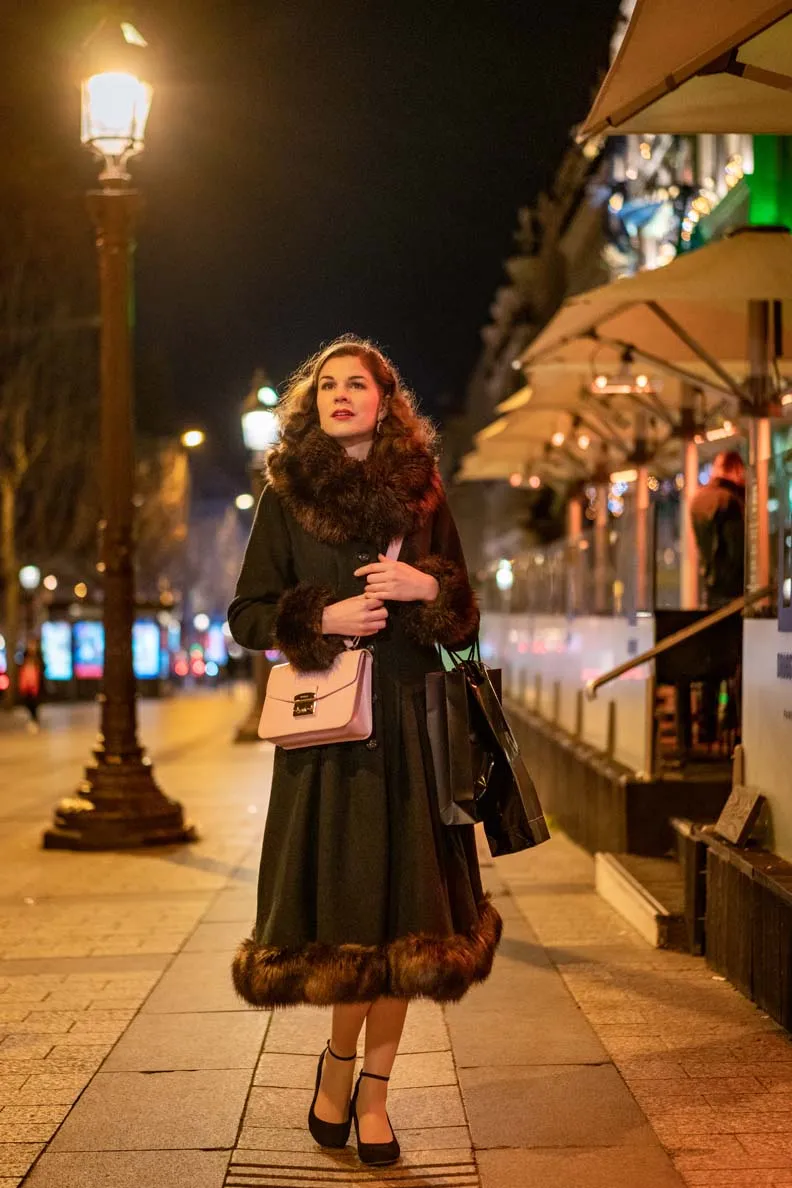
Yes — absolutely. These terms are not mutually exclusive.
Examples:
- Vintage + Second-hand: Very common
- Retro + Second-hand: Possible
- Retro + Vintage: ❌ Usually not possible (Retro is newly produced; vintage is authentically old.) Exception: Vintage garments from one era inspired by an earlier decade — for example, a 1970s dress designed in a 1940s style.
Why Using the Right Terms Matters
In online shops, blogs, and marketplaces, retro, vintage, and second-hand are often mixed up — sometimes intentionally, sometimes by accident. Knowing the differences benefits everyone.
For Buyers
- Realistic expectations
- Fair pricing
- More informed purchase decisions
For Shops and Bloggers/Influencers
- Increased trust and credibility
- Better SEO visibility
- Clearer communication
Retro, Vintage & Sustainable Fashion
All three concepts can support a more sustainable fashion industry — in different ways:
- Second-hand extends the life cycle of clothing
- Vintage preserves fashion history and craftsmanship
- Retro enables nostalgic looks without relying on fragile originals. Retro fashion also is more timeless and can therefore be worn for several seasons.
And of course, you can mix them freely. Think: a vintage handbag, retro shoes, and a second-hand dress — a perfect blend of style and sustainability.
While pre-owned clothing is generally more sustainable than new items, there are also high-quality retro brands producing timeless garments designed to last — a great alternative to fast fashion.
Frequently Asked Questions (FAQ)
Is vintage always second-hand?
Almost always — because vintage items are older or previously worn. However, there are exceptions, such as unworn garments that are at least 20 years old.
Is retro fashion sustainable?
Retro clothing is newly produced, but it can be more sustainable than fast fashion depending on the brand and production methods. Some retro labels, however, operate similarly to fast fashion — so it’s worth researching.
When Does Clothing Become Vintage?
Generally after about 20 years. Personally, I consider pieces from the 1980s or earlier to feel truly vintage. 😉
Where Can You Find High-Quality Vintage Clothing?
I personally prefer buying original vintage pieces in physical stores — it’s easier to assess condition and try items on. Especially garments from the 1920s–60s often have very different sizing compared to modern clothing. Here are my favorite vintage shops in Munich:
Where Can You Buy Second-Hand Clothing Online?
There are many great platforms today. My favorites include Vinted, Etsy*, and eBay*.
You’ll find more recommended second-hand platforms here:
What Should You Watch Out for When Buying Vintage or Second-Hand Fashion?
Buying pre-owned clothing is a sustainable alternative to fast fashion — but there are a few things to keep in mind to avoid disappointment:
- Choosing the right size
- Buyer protection
- Authenticity checks
I explain everything in detail in my vintage and second-hand fashion guide:
Final Thoughts: Every Style Has Its Place
Retro, vintage, and second-hand fashion each bring something unique to the table. What matters most isn’t the label — it’s your personal style and a conscious approach to fashion. Personally, I love mixing all three. The result? A truly individual look that tells your story while supporting a more sustainable fashion future.
Tip: Save this blogpost on Pinterest to find it again easily!